Seals and Coins: How Were They Made?
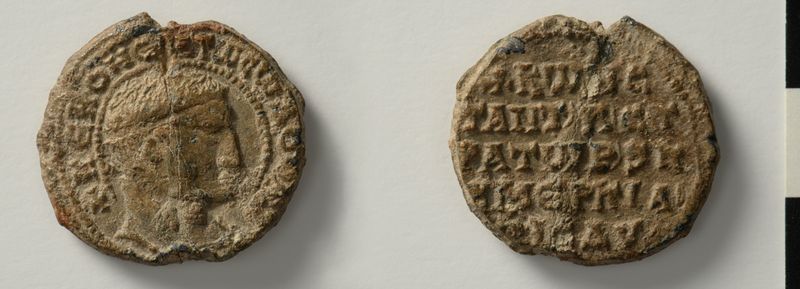
Byzantine seals were more than often made from lead, (but could be made from gold, bronze, or silver) and would begin as two blank rounded discs of whatever material used to make them in slate moulds. Each blank would have a hollow channel running through the center, which would allow for the string to be threaded to the document. pressed against the strings that were attached to the document, letter, or paper they were meant to secure.The particular design of the specific seal woudl be careved on a pair of dies. A Boulloterion, a form of pliers would then be used to held these two dies. Now that these pliers held the images or writing ingrained in them,they would then be pressed on the two lead circles together in order to give the seal its custom and unique depiction. The striking of the seal would also help the channel or center of the blanks collapse around the string. (1)
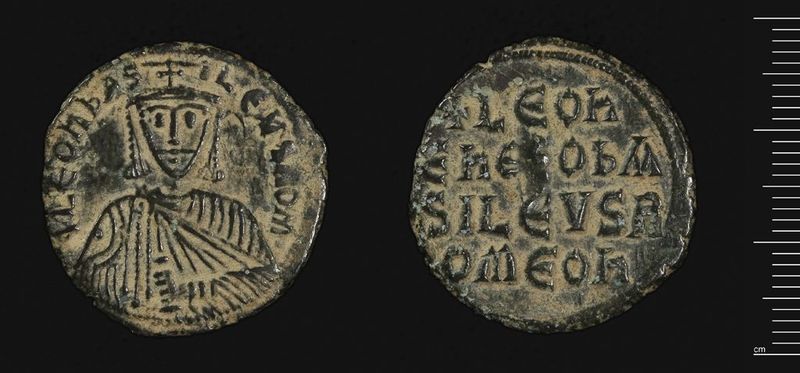
Coins process involved a slightly similar yet slightly different process.It involved taking melted metal and inserting it into a mold with the intention of making coin blanks. The molded metal would be then taken out mold. These blank coins would be solid, but still malleable. The coin would be placed between dies and smashed, leaving an imprint of the desired text, script or image on the coin.
(1)Oikonomidès, Nicolas. Byzantine Lead Seals. Washington, D.C.: Dumbarton Oaks, 1985. Print.